


What Is Ayurveda? A Practical Introduction for Modern Life.
What Is Ayurveda? A Practical Introduction for Modern Life.

By
Maryam Asghar, Certified Ayurvedic Health Counselor and Founder of Sunshine Wellness
Last reviewed: September 2026 | Approximately 8-minute read
Ayurveda is a traditional system of wellness with roots in India. It considers the relationship among the body, mind, senses, lifestyle, environment, and seasons.
Rather than applying the same routine to everyone, Ayurveda recognizes that each person has an individual constitution and different wellness priorities. Ayurvedic education may explore food habits, digestion, sleep, stress awareness, movement, rest, daily routines, and seasonal practices.
Maryam Asghar at Sunshine Wellness provides personalized Ayurvedic wellness education through scheduled virtual consultations for clients. These services are supportive and educational and do not replace medical diagnosis, treatment, or care from a licensed healthcare professional.
What Does Ayurveda Mean?
The word “Ayurveda” comes from Sanskrit and is commonly translated as “knowledge of life” or “science of life.”
Ayurveda developed as a traditional system for understanding how food, behavior, environment, seasons, movement, rest, and other daily influences may relate to a person’s well-being.
The World Health Organization describes traditional medicine as knowledge, practices, skills, and philosophies developed within different historical and cultural contexts. It recognizes that traditional systems frequently use personalized and nature-based approaches while emphasizing the need for appropriate evidence, safety, quality, and regulation.
What Are the Main Principles of Ayurveda?
Ayurveda is a broad tradition, but several foundational concepts commonly guide Ayurvedic wellness education.
Individual Constitution
Ayurveda recognizes that people can respond differently to the same foods, schedules, environments, and lifestyle practices.
An Ayurvedic consultation therefore begins with the individual not with a universal routine. A practitioner may explore a client’s existing habits, personal goals, environment, schedule, and current wellness priorities.
Balance and Changing Patterns
Ayurveda distinguishes between a person’s underlying constitution and the patterns she may be experiencing at a particular time.
Daily schedules, seasons, age, stress, food habits, sleep, movement, and environmental changes may all be considered when discussing these patterns.
Daily and Seasonal Routines
Ayurvedic education often emphasizes consistency in everyday practices. These may include:
- Morning and nighttime routines
- Regular meal patterns
- Conscious dining habits
- Sleep preparation
- Appropriate movement and rest
- Seasonal adjustments
- Mindfulness and self-observation
The purpose is not to create a perfect or overly restrictive routine. It is to identify practical practices that can be applied consistently and adjusted as circumstances change.
What Is a Dosha?
In Ayurveda, a dosha is a traditional framework used to describe qualities and patterns associated with an individual’s constitution and current state.
The three doshas are commonly known as:
Vata
Vata is traditionally associated with movement, change, lightness, dryness, and mobility.
Pitta
Pitta is traditionally associated with heat, transformation, intensity, and metabolism.
Kapha
Kapha is traditionally associated with stability, structure, heaviness, moisture, and steadiness.
Everyone is understood to have all three doshas in different proportions. A dosha should not be treated as a medical diagnosis, personality test, or rigid label.
During an Ayurvedic consultation, Maryam explains dosha concepts within their traditional context and helps clients understand how they may relate to daily routines and wellness education.
Is Ayurveda Only About Food?
No. Food and conscious dining are important parts of Ayurveda, but Ayurveda considers a much broader range of daily influences.
Ayurvedic wellness education may include:
- Food choices and meal routines
- Eating environment and dining awareness
- Digestion-related observations
- Morning and nighttime rituals
- Sleep-preparation habits
- Rest and relaxation
- Supportive yoga or movement
- Stress awareness
- Seasonal routines
- Mindfulness and self-observation
Recommendations should be personalized instead of being based only on a generalized dosha quiz or a list found online.
What Happens During an Ayurvedic Consultation?
An Ayurvedic consultation is an individualized conversation about your routines, wellness interests, current patterns, and goals. At Sunshine Wellness, the onboarding process includes four steps.
1. Schedule a Complimentary Discovery Call
New clients may begin with a free 20-minute virtual conversation with Maryam. This provides an opportunity to ask questions and determine whether an Ayurvedic consultation may be an appropriate next step.
2. Complete Electronic Intake Forms
Before the initial consultation, clients complete a health-assessment and intake form describing their routines, food habits, sleep, stress patterns, movement, relevant history, and wellness priorities.
The contact form should not be used to submit medical emergencies or highly sensitive information.
3. Attend the Initial Virtual Consultation
The initial Ayurvedic consultation lasts approximately 1.5–2 hours and is conducted virtually.
Maryam reviews the client’s intake information and asks questions about areas such as:
- Daily schedule
- Food and dining habits
- Digestion
- Sleep and rest
- Energy and consistency
- Stress awareness
- Movement
- Seasonal influences
- Personal wellness goals
4. Receive Personalized Wellness Education
Based on the consultation, Maryam may provide educational recommendations related to:
- Conscious dining practices
- Morning and nighttime routines
- Daily and seasonal habits
- Rest and sleep preparation
- Mindfulness practices
- Supportive yoga or movement
- Lifestyle consistency
- Traditional Ayurvedic principles
Recommendations are personalized, and specific outcomes cannot be guaranteed.
Can an Ayurvedic Consultation Be Completed Virtually?
Yes. Sunshine Wellness provides Ayurvedic consultations through scheduled virtual appointments.
Clients can complete their intake forms electronically and meet with Maryam from an appropriate private space at home. The initial consultation lasts 1.5–2 hours, and optional follow-up appointments last 60 minutes.
Sunshine Wellness is based in Cypress, Texas, and currently offers virtual services for individuals.
How Much Does an Ayurvedic Consultation Cost?
Sunshine Wellness currently offers:
- Complimentary discovery call- 20 minutes, virtual, free
- Initial Ayurvedic consultation- 1.5–2 hours, virtual, $150
- Ayurvedic follow-up- 60 minutes, virtual, $95
Follow-up sessions provide time to discuss the client’s experience, answer questions, and adjust educational recommendations when appropriate.
Is Ayurveda a Replacement for Medical Care?
No. Ayurvedic wellness services should not be used as a replacement for medical or mental-health care.
The National Center for Complementary and Integrative Health advises people not to postpone conventional medical care when considering complementary approaches. It also notes that some Ayurvedic preparations may contain harmful levels of lead, mercury, or arsenic.
Before using herbs or dietary supplements:
- Consult an appropriate licensed healthcare professional.
- Discuss possible interactions with medications or existing conditions.
- Use products from responsible, reputable sources.
- Avoid assuming that “natural” automatically means safe.
- Do not discontinue prescribed treatment without medical guidance.
Maryam’s services provide education about traditional Ayurvedic principles. They do not include medical diagnosis, treatment, prescriptions, or promises to prevent or cure a health condition.
Who May Be Interested in Ayurvedic Wellness Education?
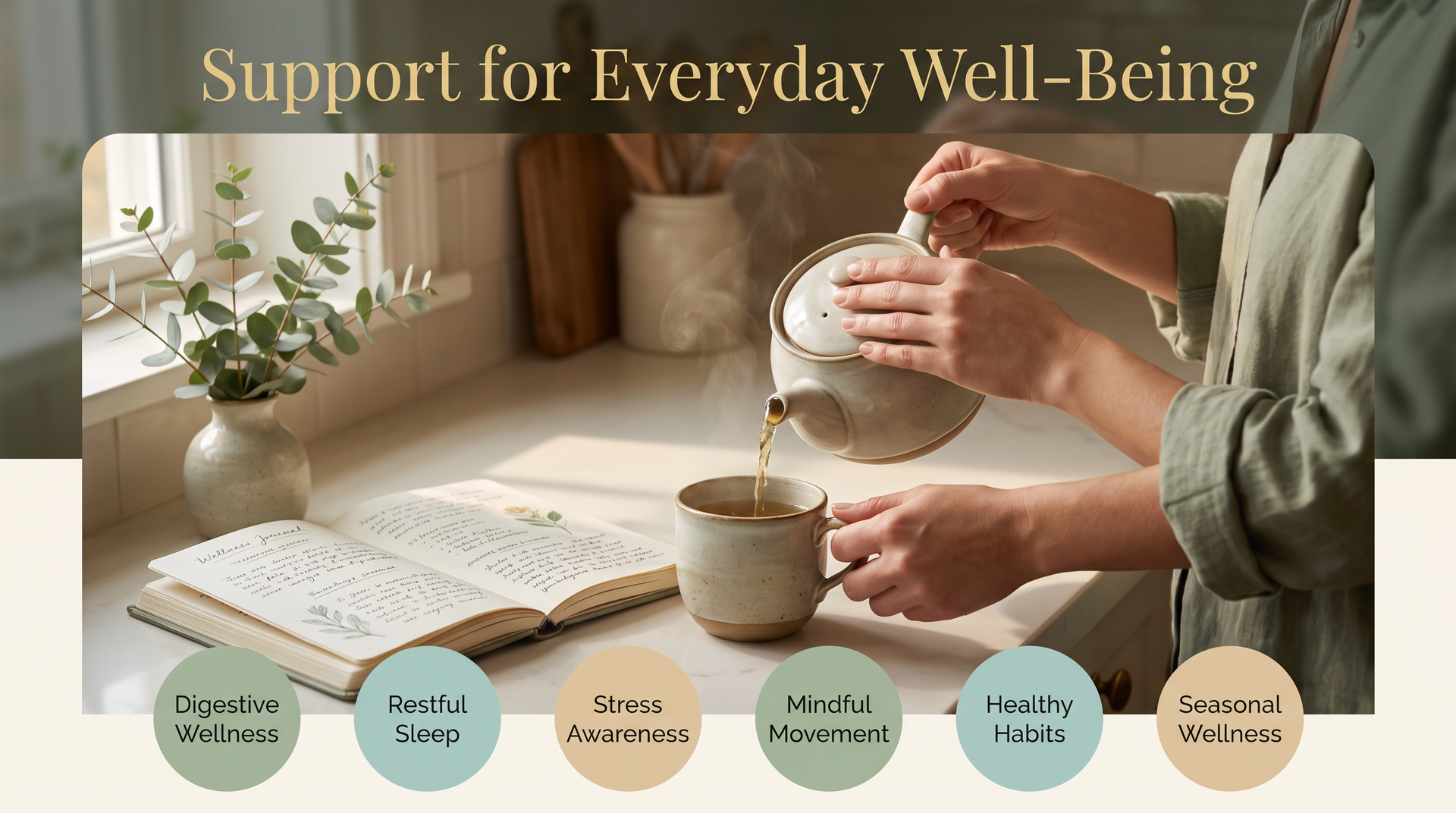
A virtual Ayurvedic consultation may be appropriate for clients interested in learning more about:
- Digestive wellness and conscious dining habits
- Sleep preparation and nighttime routines
- Stress awareness and sustainable self-care
- Healthy weight-management habits
- Morning and seasonal routines
- Energy and daily consistency
- Mindfulness and supportive movement
- Personalized wellness practice
Individual needs and experiences vary. Anyone experiencing symptoms or managing a medical or mental-health condition should consult an appropriate licensed healthcare professional.
How Can Beginners Start Exploring Ayurveda?
A beginner does not need to immediately change her entire diet or routine.
A more sustainable starting point may include:
- Observing existing meal, sleep, movement, and rest patterns.
- Identifying one routine that feels inconsistent or difficult.
- Learning how seasonal and environmental changes affect daily habits.
- Selecting one manageable practice to explore consistently.
- Seeking qualified guidance before using herbs or supplements.
Ayurveda is best approached as an educational process of observation and gradual, informed change not as a quick fix.
Frequently Asked Questions About Ayurveda
What is Ayurveda in simple terms?
Ayurveda is a traditional Indian system of wellness that considers the relationships among the body, mind, lifestyle, environment, and seasons. Its practices are often personalized according to the individual.
What is a dosha?
A dosha is a traditional Ayurvedic framework used to describe patterns and qualities associated with an individual’s constitution and current state. The three doshas are Vata, Pitta, and Kapha.
Is Ayurveda only about diet?
No. Ayurveda may also include education about daily routines, sleep preparation, mindfulness, movement, rest, seasonal practices, and conscious dining habits.
Can Ayurvedic consultations be virtual?
Yes. Sunshine Wellness provides virtual Ayurvedic consultations for clients. The initial consultation lasts approximately 1.5–2 hours.
Do I need to know my dosha before scheduling?
No. You do not need to identify your dosha before your consultation. Maryam explains foundational Ayurvedic concepts when they are relevant to your individual wellness education.
Does an Ayurvedic consultation provide medical treatment?
No. Sunshine Wellness provides wellness education and supportive lifestyle practices. Services do not diagnose, treat, cure, or prevent medical or mental-health conditions.
Learn More About Virtual Ayurvedic Consultations
Maryam Asghar is a certified Ayurvedic Health Counselor trained through the California College of Ayurveda. She provides personalized virtual Ayurvedic wellness education through Sunshine Wellness.
About the Author
Maryam Asghar is the founder of Sunshine Wellness and a certified Ayurvedic Health Counselor and 200-hour Hatha Yoga Teacher.
She completed Principles of Ayurvedic Medicine through the California College of Ayurveda in May 2023, an Ayurvedic Health Counselor Internship during 2023–2024, a Yoga Nidra Certification Course in March 2024, and a 200-hour Hatha Yoga Teacher Training Instructor Certification through Houston Yoga & Ayurveda Ashram Inc. in March 2025.
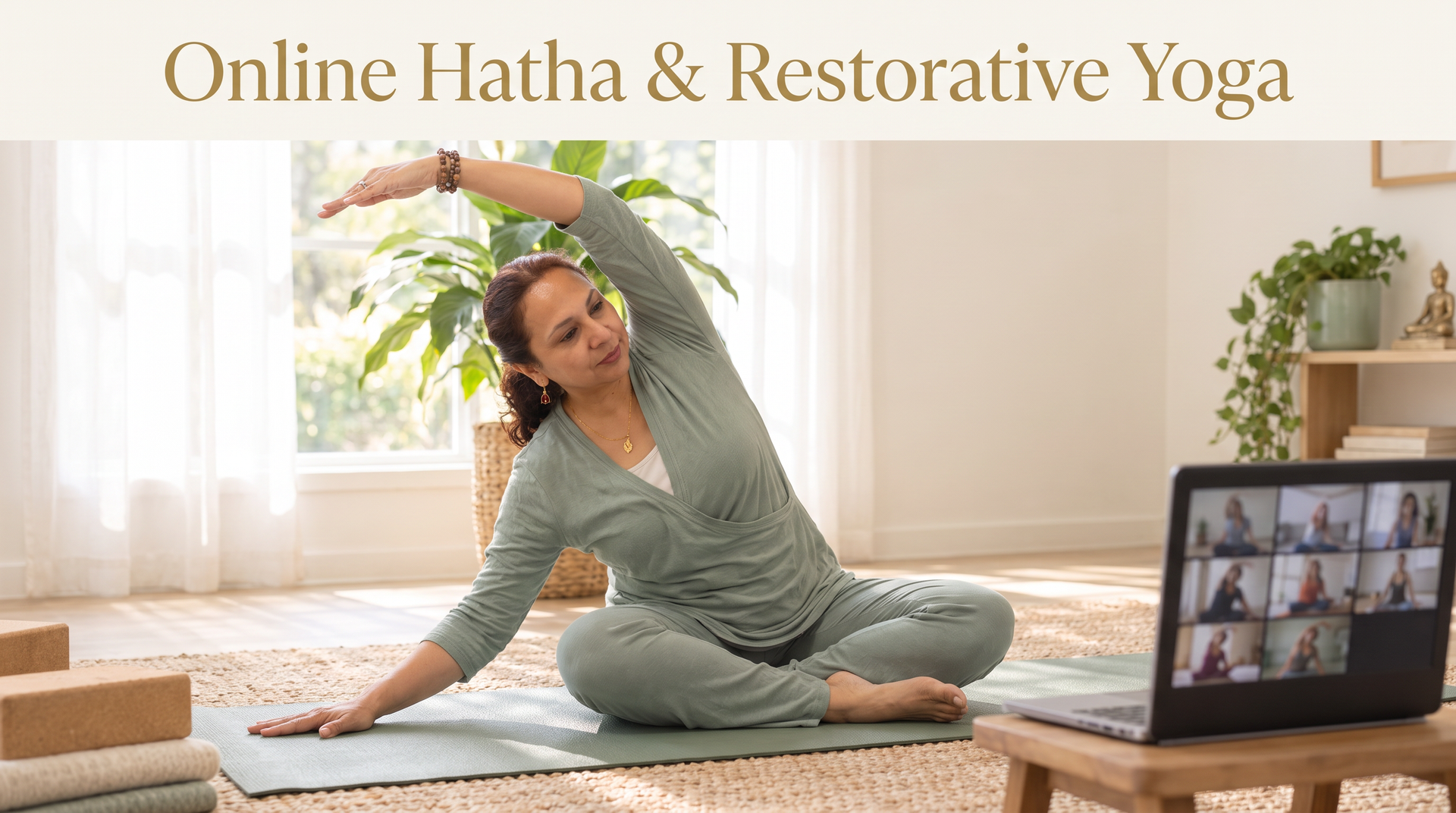
Maryam provides virtual Ayurvedic consultations, online Hatha and Restorative Yoga classes, and guided Yoga Nidra sessions for clients.
Editorial and Wellness Notice
This article was written for general educational purposes and reflects traditional Ayurvedic concepts. It does not provide medical or mental-health advice, diagnosis, or treatment.
Consult a licensed healthcare professional regarding symptoms, medical conditions, medications, supplements, or changes to your healthcare plan. If you are experiencing an emergency, contact emergency services.
Authoritative References
- Ayurvedic Medicine: In Depth — National Center for Complementary and Integrative Health
- Traditional Medicine — World Health Organization
- WHO Benchmarks for the Practice of Ayurveda